Solar repairs start with understanding the fault
Solar repairs should address the cause of a problem, rather than begin with a guess about which part to replace. N² Projects discusses existing-system assessments in Centurion, Gauteng, including work originally installed by another contractor where safe and feasible.
Tell us what has changed: charging, backup time, power to the property or a message on the user display. We confirm equipment support and the next step before accepting the work.
On this page
Table of Contents
When your solar system stops doing its job
A system that does not charge, loses backup power or produces less than expected can disrupt a household or business. N² Projects can discuss a solar fault-finding assessment in Centurion, Gauteng, including an installation originally completed by another contractor where safe and feasible.
The first task is to understand the symptoms and the existing system. A visible inverter alarm, an unexpected shutdown or short battery runtime does not identify the cause on its own. Settings, loads, wiring, equipment condition and the available solar resource can all affect operation.
Signs that an assessment may help
- The inverter is on but some or all intended backup circuits have no power.
- Batteries appear not to charge, discharge unexpectedly or provide less runtime.
- Recurring alarms, trips or interruptions return after a reset.
- Monitoring shows a sustained change in output or incomplete data.
- You want to understand an undocumented system before upgrading it.
Keep clear of damaged or exposed equipment. Do not open electrical covers, bypass protection or repeatedly reset a fault. Where there is smoke, burning or immediate danger, seek appropriate emergency assistance.
How an existing-system assessment works
Send your suburb, equipment make and model, any visible error message and a short history of the problem. Available installation records and handover documents help establish what is installed and what may need checking. We confirm access, appointment arrangements and the assessment scope before attending.
Following the assessment, we explain the findings, practical options and any limits. These may include a settings review, maintenance, a compatible upgrade, replacement equipment or referral to the manufacturer or an appropriate specialist. We do not promise board-level inverter repairs, authorised warranty work or support for every brand.
Maintenance and upgrade decisions
Maintenance should suit the equipment, installation conditions and manufacturer guidance. Before adding batteries or panels, confirm compatibility, system capacity, protection and the required documentation. A larger component is not automatically the right answer to poor performance.
What affects cost?
Fault complexity, testing time, access, equipment age, documentation, travel and replacement parts affect the scope. We discuss assessment arrangements first, then the proposed repair or upgrade. No fixed price or outcome is implied by an initial enquiry.
Common questions
Will you assess a system you did not install?
We are willing to consider it where safe and feasible. The condition and available support options determine which work can be accepted.
Can you work on Deye, Sunsynk or another brand?
Confirm the exact make, model and fault with the team before booking. Brand names identify the equipment; they do not imply accreditation or manufacturer authorisation.
Can the work be coordinated with electrical repairs?
Tell us about the full installation. Electrical assessment and project coordination may be relevant where several tasks or trades are involved.
Our current market is Centurion, Gauteng. Other areas are confirmed by arrangement. Ask about experience relevant to your system and the after-sales arrangements for the agreed work.
Prepare for a useful solar repairs discussion
Keep the inverter and battery model details, original quotation and any available handover documents together. You do not need to know the cause of the fault. A clear description of the symptoms and when they happen is a useful starting point.
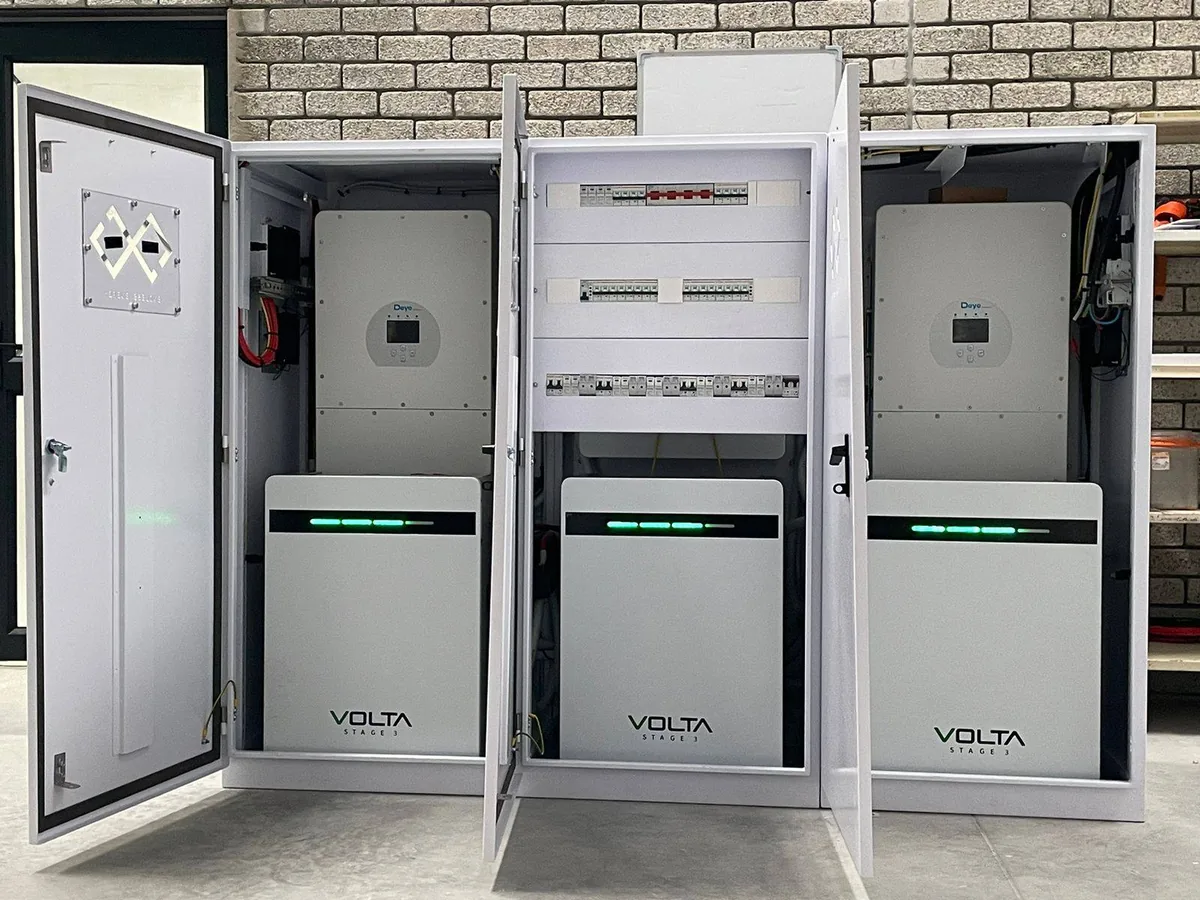
Solar repairs may involve an equipment issue, a setting, installation work or the way different parts of the system operate together. The assessment determines which possibilities are relevant. A component-level repair or manufacturer’s warranty process is not automatically available for every brand or model.
For grid-connected work, confirm the electricity supplier and the existing approval documents. The City of Tshwane’s embedded-generation information is background for customers on its network; another supplier may use a different process.
Related services include electrical fault finding and the wider solar service. Ask us about solar repairs with your suburb, equipment details and a short description.
Make the repair decision with clear information
After an assessment, ask which findings have been confirmed and which questions still need further checks. A useful recommendation explains the proposed work, the reason for it and any limitations. It should help you separate a necessary repair from an optional upgrade.
For example, shorter backup time does not by itself show that the battery must be replaced. Changed appliance use, charging conditions, settings and equipment condition may need to be considered. The purpose of diagnosis is to establish which factors matter in your particular installation.
Compare the proposed work, not only the price
Ask whether a quotation includes testing, replacement parts, installation work, setup and the agreed follow-up. If some work is excluded or depends on a further finding, have that explained before you decide. A cheaper total is not necessarily a like-for-like quotation.
Where replacement equipment is proposed, ask what can be retained and which compatibility checks are needed. An older installation does not automatically require every component to be replaced, but a new part is not automatically suitable just because its stated capacity looks similar.
Keep the paperwork and access arrangements clear
Check who is handling any manufacturer or supplier warranty enquiry and which documents are needed. A previous installer’s warranty and a manufacturer’s warranty may have different conditions. An assessment by another business should not be assumed to take over either obligation.
If monitoring information is useful, begin with a description or a screenshot that does not reveal private account details. Do not send login passwords in your first enquiry. Ask how any access needed for the agreed work will be authorised.
If a repair is not feasible, discuss the available next steps and their limits before committing to replacement work. Share your priorities, including essential backup needs, budget considerations and the equipment already installed, so the options can be assessed in context.